Essex County · New Jersey
South Orange
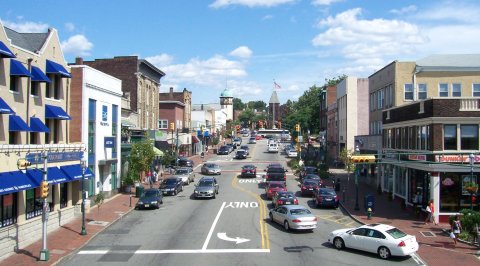
South Orange combines a lively transit-oriented downtown with historic residential neighborhoods, an active arts scene, Seton Hall University, extensive parks and direct rail access to Newark and New York City.
Explore South Orange Downtown, SOPAC, Seton Hall, Montrose, local history, parks, schools, community organizations, restaurants, businesses and the village's distinctive gaslit streets.
South Orange Downtown
SOPAC
Seton Hall University
Montrose
NJ TRANSIT
Parks & Recreation
South Orange at a Glance
18,484Population recorded in the 2020 U.S. Census.
2.85 sq. mi.A compact Essex County community with a dense downtown and residential neighborhoods.
2 Rail StationsSouth Orange Station and Mountain Station both serve NJ TRANSIT's Morris & Essex corridor.
58 AcresSeton Hall University's main South Orange campus.
Community character: South Orange is known for its walkable Village center, Tudor, Colonial and Victorian architecture, gaslit streets, university presence, cultural venues and close relationship with neighboring Maplewood.
Explore South Orange
DowntownSouth Orange Village CenterSouth Orange Avenue, Sloan Street, Village Plaza and surrounding blocks form the commercial and civic heart of the community, with restaurants, shops, services, public spaces and the main rail station.
Historic NeighborhoodMontroseA distinguished residential area shaped by nineteenth-century development and known for substantial historic homes, mature streetscapes and architectural character.
University DistrictSeton Hall AreaThe 58-acre Seton Hall campus on South Orange Avenue is one of the community's defining institutions and sits within walking distance of downtown.
Neighborhoods & ParksValley, Newstead & Ridgewood AreasResidential sections across the village connect to parks, schools, Mountain Station, neighborhood recreation and routes toward Maplewood and West Orange.
History & Historic Character
South Orange's development grew from early settlement west of Newark and from transportation routes that connected farms and small communities to regional markets. South Orange Avenue followed an early trail, while Ridgewood and Valley roads became important routes through the area.
The railroad transformed South Orange during the nineteenth century, helping establish the community as both a suburb and a summer-resort destination. The Village Charter was granted in 1869, and complete separation from South Orange Township was completed in 1904. In 1977, voters adopted the name The Township of South Orange Village.
MontroseDeveloped substantially through the efforts of John Gorham Vose beginning in the nineteenth century, Montrose remains central to South Orange's architectural identity.
Gaslight StreetsGas lighting became part of South Orange's streetscape in the nineteenth century, and gas lamps remain one of the community's most recognizable features.
Historic Rail SuburbRail service helped move South Orange from an agricultural settlement toward a residential suburb connected to Newark and the New York metropolitan area.
Historic Village HallSouth Orange's historic Village Hall dates to the nineteenth century and remains a prominent architectural landmark in the center of town.
Historic-property guidance: South Orange has a Historic Preservation Commission and local historic resources. Property owners planning major exterior changes should check current Village preservation and land-use requirements.
Government & Municipal Services
South Orange Village is governed by an elected Mayor and six-member Village Council. Municipal offices are currently located at 76 South Orange Avenue.
South Orange Village Municipal Offices76 South Orange Avenue
South Orange, NJ 07079
Main phone: 973-378-7715
Village CouncilThe governing body consists of the Mayor and six Councilmembers serving four-year terms.
Municipal ServicesVillage departments cover administration, planning and zoning, public works, recreation, health, public safety, parking, taxes and resident services.
Meetings & Public NoticesAgendas, minutes, legal notices and current public meetings are published through the official South Orange Village website.
Education
South Orange shares its public-school system with neighboring Maplewood through the South Orange & Maplewood School District. The village is also home to Seton Hall University.
South Orange Middle School70 North Ridgewood Road, serving middle-grade students in the shared district.
South Mountain Elementary School444 West South Orange Avenue, one of the public elementary schools located within South Orange.
Marshall Elementary School262 Grove Road, serving elementary students in South Orange.
Seton Hall UniversityA private Catholic university founded in 1856, with a 58-acre main campus at 400 South Orange Avenue.
School information can change: Families should confirm attendance zones, grade configurations, enrollment requirements, calendars and programs directly with the South Orange & Maplewood School District.
South Orange Public Library
The South Orange Public Library supports educational, cultural and community life with print and digital collections, public computers, databases, museum passes, children's programming and events.
Building Connections ProjectThe library system is undergoing a major project involving the historic Connett building and the existing library. Visitors should check the library's current website for active locations and hours.
Community ProgramsStorytime, crafts, educational programs, cultural events and lifelong-learning resources are offered throughout the year.
Digital AccessLibrary services include digital books and magazines, databases and technology access for residents.
Arts, Culture & Entertainment
South Orange Performing Arts Center (SOPAC)Located at One SOPAC Way beside the train station, SOPAC presents music, comedy, theater, dance, film and other live programming.
Pierro GalleryA community gallery associated with South Orange arts programming and exhibitions.
Seton Hall ArtsUniversity galleries, performances, lectures and cultural programming expand the arts calendar beyond the downtown district.
Public Art & EventsDowntown murals, festivals, performances, outdoor programs and community events help make arts and culture visible throughout the Village center.
Parks, Recreation & Open Space
South Orange maintains an extensive network of parks, playgrounds, fields and recreation facilities distributed throughout the village.
Meadowland ParkA 12-acre park on Mead Street with athletic fields, tennis, soccer, jogging and other recreation.
Cameron FieldAn 8.44-acre recreation area near Mead Street with athletic facilities and an active Village improvement project.
Flood's HillA 14-acre open-space and recreation area used for field sports, walking, passive recreation and seasonal activities.
Duck PondAn 8.56-acre area near Mead Street with passive recreation, walking and traditional seasonal uses.
Waterlands ParkA 16.5-acre park off Third Street with fields, playgrounds, walking and active recreation.
Neighborhood ParksGrove Park, Farrell Field, Memorial Park, Carter Playground, Third Street Playground and other smaller sites extend recreation across South Orange.
Places of Worship
South Orange includes a variety of congregations and faith communities. Long-established local houses of worship include First Baptist Church, First Presbyterian & Trinity Church, Our Lady of Sorrows, St. Paul AME Church and the Episcopal Church of St. Andrew & Holy Communion.
Current information: Service times, programs and contact information can change. Confirm schedules directly with the congregation before attending a special service or event.
Promote Your South Orange Business or Organization
Reach residents, students, commuters and visitors through NJTGO's South Orange pages. Basic directory listings can include a business or organization name, category, address and phone number. Website links, expanded descriptions, logos, photos, featured placement and broader promotional visibility are available through paid advertising options.
View Advertising Information
Contact NJTGO